Hot Jazz Band biográfia
Az 1985-ben alapított Hot Jazz Band egyedülálló eredményeket, páratlan karriert tudhat magáénak. A hat zenész mégis a legbüszkébb arra lehet, hogy eredeti célkitűzésük, hogy újra életre keltsék, megismertessék és megszerettessék a jazzkorszak hangzásvilágát, elérte célját.
A megalakuláskor még főként dixielandet játszó zenészek hamar rájöttek, hogy ez a műfaj sokkal gazdagabb, mint az elsőre megismert dixieland-repertoár. Az 1920-as, ’30-as, ’40-es évek muzsikája talán a legszínesebb könnyűzenei műfaj. A méltán népszerű charleston, shimmy, fox trott táncok dallamai, a ’20-as évek gramofonos hangzása, a ’30-as évek fox, szving táncok lüktető zenéje és a ’40-es évek szving és amerikai dixieland revival stílusai keltek életre általuk. Amint első lemezük kritikájában 1996-ban a MaJazz folyóiratban Fridrich Károly, a Liszt Ferenc Zeneakadémia Jazztanszékének jazztörténet professzora írta:
Ez a zenekar a hazai be-bop előtti stílust játszó együttesek közül az egyetlen, amely kétség kívül jazzt játszik.
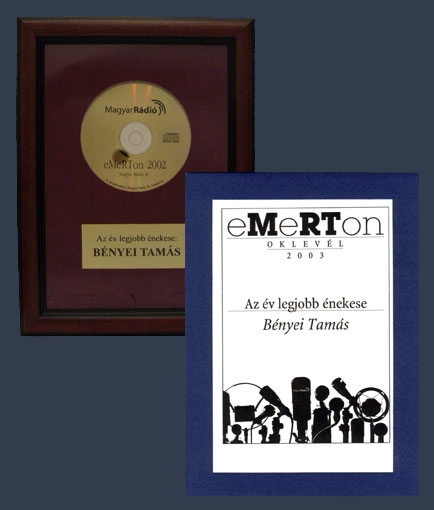
A kezdetektől céljuk volt az ugyanebből a korból származó magyar szerzemények repertoárra tűzése. Ez a törekvésük hozta meg igazán az áttörést számukra Magyarországon. Ebben a témában egyedüliként négy koncertnyi anyagot dolgoztak fel, s nevük egybeforrt a Kabos, Jávor, Karády, Tolnay, Latabár filmek zenéivel. Egyedi hangszereléseik s játékmodoruk, amivel a filmzenéket a jazz-re jellemző rögtönzéssel is vegyítették, utánozhatatlan hangzást kölcsönöznek műsoraiknak. A zenekar alapítója, trombitás, bendzsós, énekese Bényei Tamás a kort idéző énekmodorával nemcsak a közönség soraiban népszerű, 2002-ben ezért részesítették eMeRTon díjban. Azóta számos tradicionális jazz együttes követte példájukat, s a kortárs könnyűzene jeles sztárjai is már a Hot Jazz Band által újraélesztett dalokat énekelik, ám velük ellentétben az együttes sajátja azonban még mindig az, hogy igazi időutazásra viszik hallgatóságukat a teljesen korhű hangzás és megjelenés által. Műsoraikat színesíti bendzsózenekaruk és mosódeszka show is. Koncertjeiket a derűs hangulat, a vicces konferanszok és a közönséggel közös éneklések jellemzik.
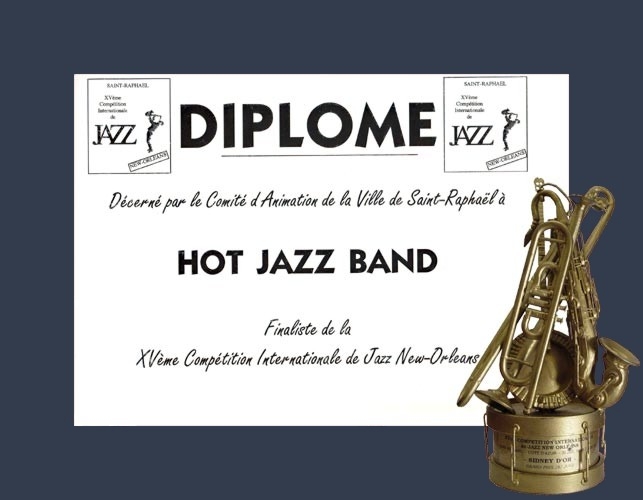
A Hot Jazz Band négy nemzetközi díjat nyert külföldön, köztük Európa, egyben a világ legnagyobb létszámú tradicionális versenyén lettek elsők a franciaországi Saint Raphaelben, 1995-ben. Az, hogy négy év alatt zsinórban négy nemzetközi versenyen diadalmaskodtak, ezzel világviszonylatban is egyedül állóak lettek, s hasonló teljesítménnyel egyetlen hazai nagy elődjük vagy kortársuk sem dicsekedhet.
A hazai elismerések sem várattak magukra, a Magyar Rádió könnyűzenei díját, az eMeRTon díjat, két ízben nyerték el - ebből egy alkalommal Bényei Tamás, mint az év férfi énekese -, továbbá a Líra, a Louis Armstrong, az Ezüst Életfa és a Fonogram-díjban is részesültek.
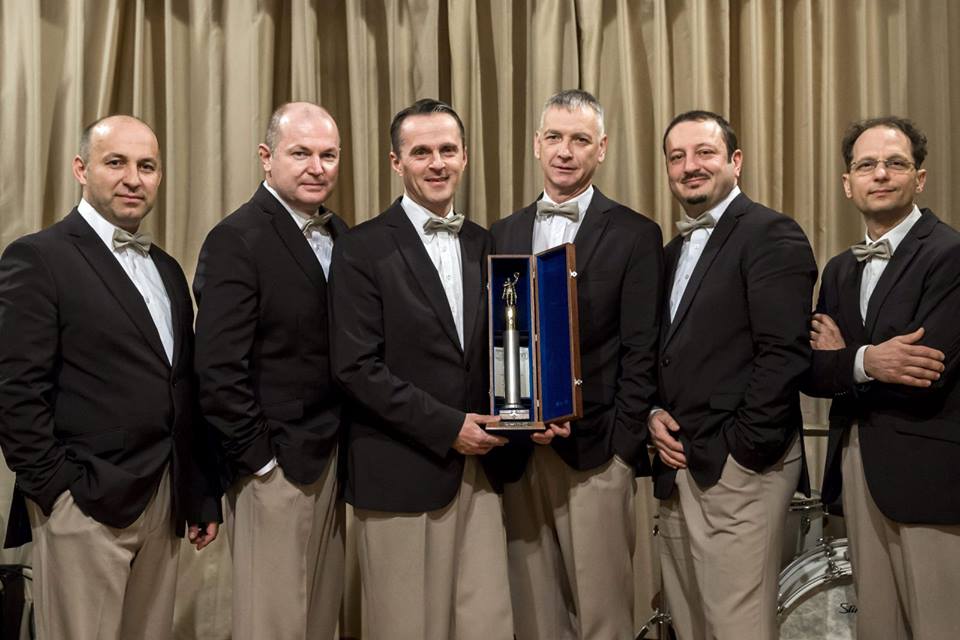
2015-ben Magyarország köztársasági elnöke – a kormány előterjesztésére – a Hot Jazz Band-nek páratlanul sikeres, külföldön is nagyra értékelt, a tradicionális dzsessz autentikus megszólaltatására épülő előadóművészi tevékenységük, valamint a magyar könnyűzenei örökség ápolását szolgáló, értékőrző művészi munkájuk elismeréseként a legmagasabb állami kitüntetést, a Kossuth-díjat adományozta.
A magyar zenekarok közül egyedüliként kapott a Hot Jazz Band hatszor meghívást az Amerikai Egyesült Államokba, a rangos Sacramento Jazz Jubelee-ra, ahol kétszer választották a fesztivál legnépszerűbb zenekarának, s egyik koncertjüket a kaliforniai állami rádió élőben közvetítette. Olyan fesztiválokon is szerepeltek többek között Marciacban, Helsinkiben, Samois-ban, Korzikán, Isztambulban, Londonban, ahol még hazai formáció sosem járt. Európa huszonegy országa, Szlovákia, Csehország, Lengyelország, Horvátország, Szerbia, Románia, Ausztria, Németország, Svájc, Olaszország, Monaco, Franciaország, Hollandia, Dánia, Svédország, Finnország, Belgium, Észtroszág, Nagy Britannia, Törökország, Szlovénia, az amerikai kontinensen, az USA-ban Sacramento, Lake Tahoe, Ázsiában, Kinában, Shanghaj és Ningbo látta vendégül a Hot Jazz Bandet. Számtalan magyar és nemzetközi híresség fordult meg műsoraikban itthon és külföldön egyaránt.
A Hot Jazz Band a hazai klasszikus jazzt, dixieland-et játszó együttesek közül egyedüliként élvezheti a honi komolyzenei élet világszínvonalú képviselőinek meghívását. Több közös koncertet adtak a Budapesti Vonósokkal, a Miskolci Szimfonikusokkal, a Győri Filharmonikusokkal, a Tatabányai Kamara Filharmonikusokkal, a Gödöllői Szimfonikusokkal, a veszprémi Mendelsshon Kamarazenekarral, a Kodály Filharmonikus Debrecennel, a Solti Kamarazenekarral, a Kossuth-díjas Amadinda együttessel, a Zuglói Filharmonikusokkal, a Békésmegyei Szimfonikus Zenekarral, a MÁV Szimfonikusokkal, a Savaria Szimfonikus zenekarral, a Talamba ütősegyüttessel, ezen kívül az erdélyi Csíki Kamarazenekarral is. 2022-ben a világsztár operaénekesnő, Rost Andrea invitálta meg közös koncertsorozatra a zenekart.
Hatalmas elismerés és megtiszteltetés a Hot Jazz Band-nek, hogy 2010-ben Szabó István, Oscar-díjas filmrendező meginvitálta az együttest a Rokonok című filmjének zenei betétjeiben közreműködni. A zenekar a következő filmekben vállalt alkotói szerepet: 2004 Bergendy Péter - Állítsátok meg Terézanyut, 2006 Elek Judit - A hét nyolcadik napja, 2006 Szabó István - Rokonok, 2013 Tóth Roland - Gondolatok a pincében (animációs film, zeneszerző Bényei Tamás) 2015 Gárdos Péter – Hajnali láz (zeneszerző Pacsay Attila, ez a mű nyerte a legjobb játékfilm díját a dráma kategóriában, a Cinequest Filmfesztiválon, a kaliforniai San Joséban, az USA-ban, majd 2016-ban az olaszországi Parmai Filmzenei Fesztválon is első díjat nyert), 2017 Gárdos Éva - Budapest Noire (zeneszerző Pacsay Attila). 2019-ben Vitézy László rendező Házasságtörés című TV-filmjében pedig már képernyőre is került a zenekar, a Lesz még nekünk szebb életünk című dal erejéig, 2022-ben pedig a szintén Vitézy László által rendezett Az énekesnő című TV-film zenéjét játszotta a Hot Jazz Band.
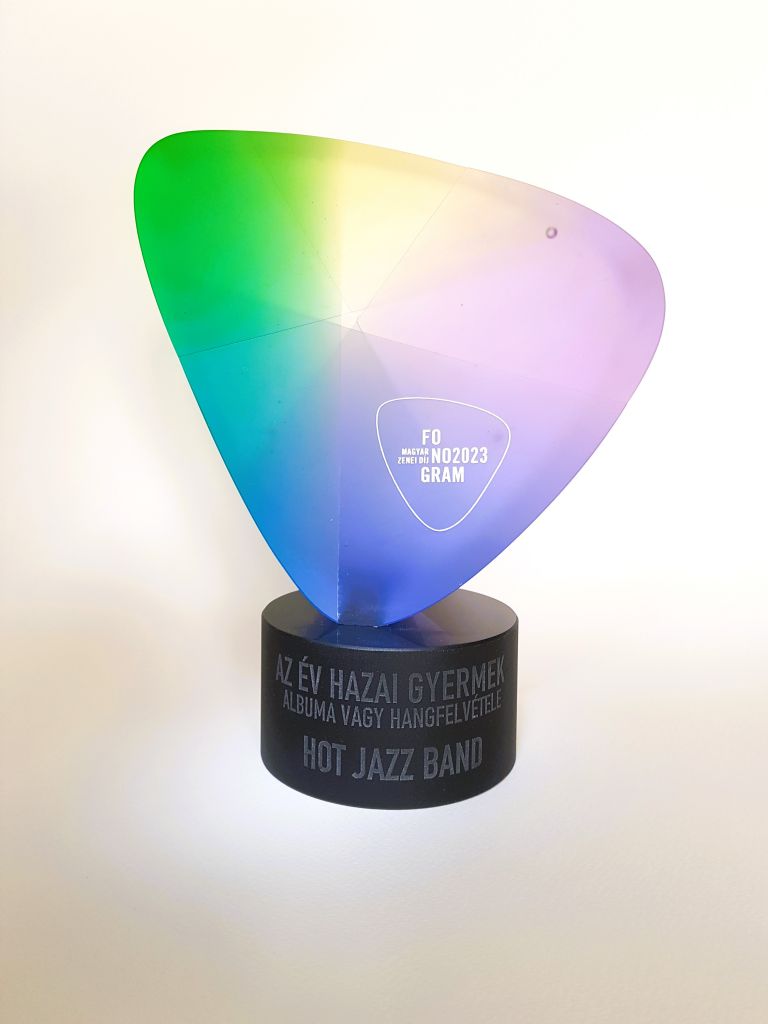
A Hot Jazz Band 14 CD-t készítettek, ebből öt a régi magyar szerzeményeket tartalmaz, egy pedig gyermekeknek szól, mellyel elnyerték a hazai könnyűzenei szakma legrangosabb díját, a Fonogram-díjat- A Hot Jazz Band napjainkban is a legfoglalkoztatottabb együttesek közé tartozik. s az ország minél több pontjára szeretnék elvinni műsorukat, vidám percekkel ajándékozva meg hallgatóságukat.
A Hot Jazz Band díjai
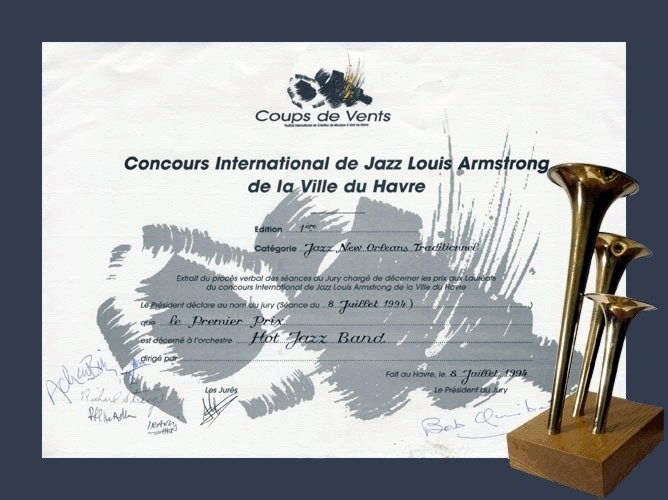
- 1994 Le Havre, Louis Armstrong Nemzetközi Jazz Verseny, I. díj,
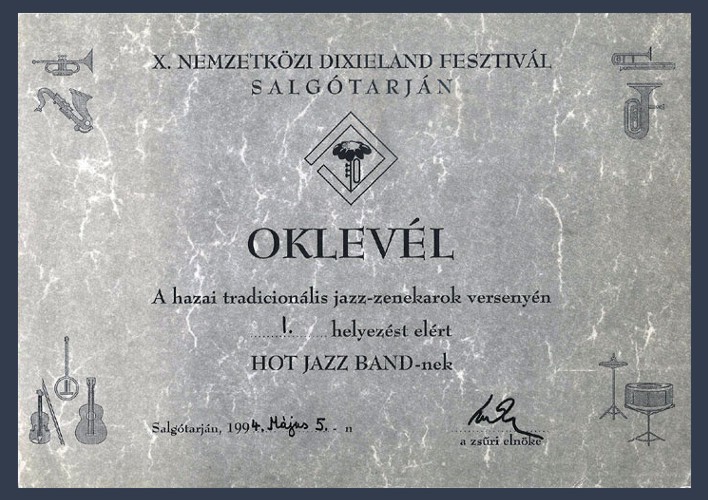
- 1994 Salgótarján Országos Dixieland Verseny, I. díj
- 1995 Saint Raphael, Nemzetközi New Orleans Jazz Verseny, 54 zenekar, I. díj,
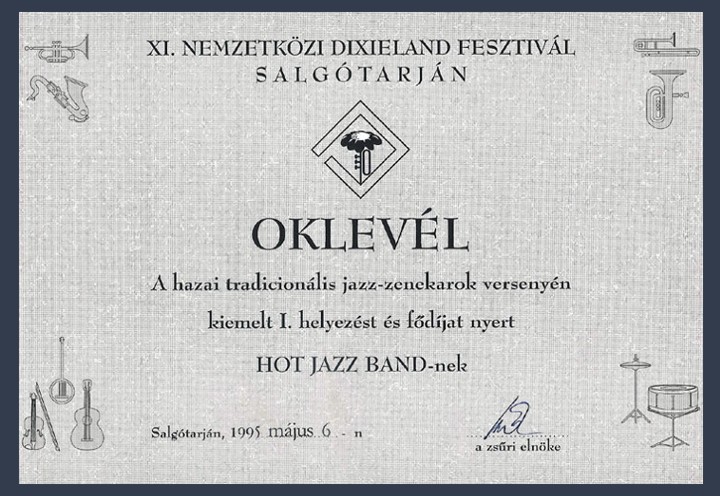
- 1995 Salgótarján Országos Dixieland Verseny, I. díj
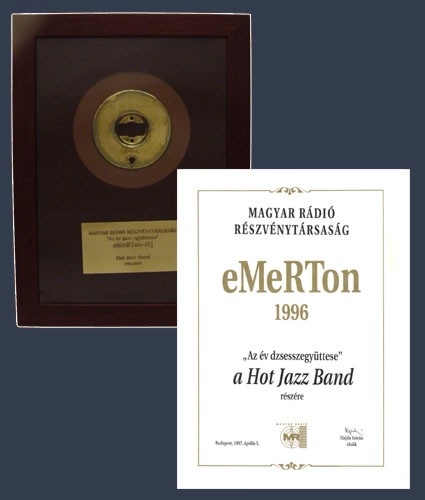
- 1996 eMeRTon-díj (az év jazz-zenekara)
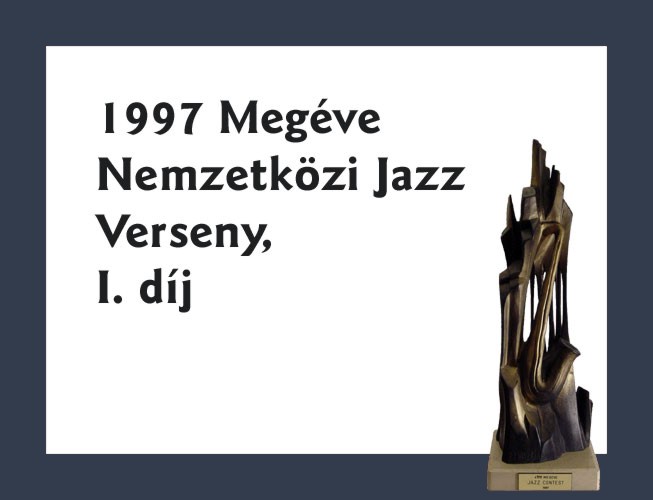
- 1997 Megéve Nemzetközi Jazz Verseny, I. díj
- 1997 Saint Address, Louis Armstrong Nemzetközi Jazz Verseny, II. díj
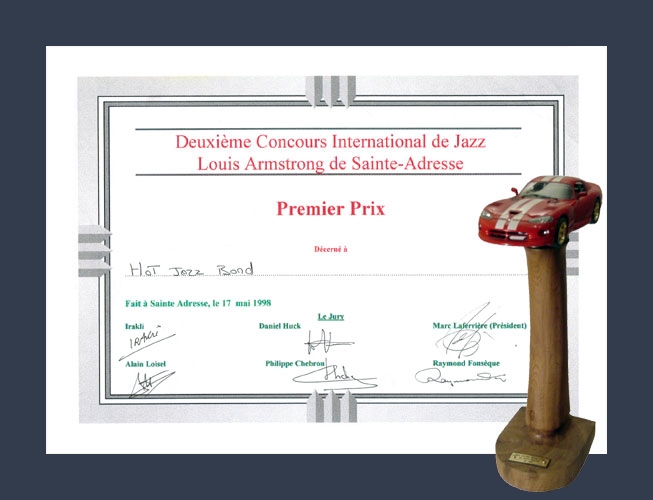
- 1998 Saint Address, Louis Armstrong Nemzetközi Jazz Verseny, I. díj
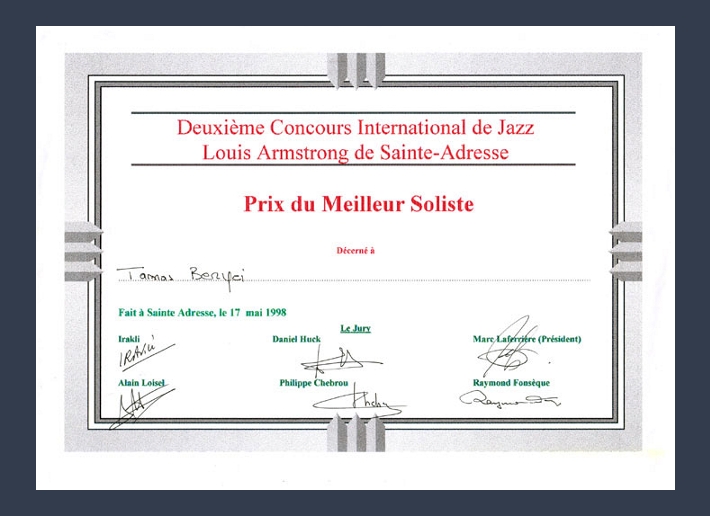
- 1998 Saint Address, Louis Armstrong Nemzetközi Jazz Verseny, a legjobb szólista díja, Bényei Tamás
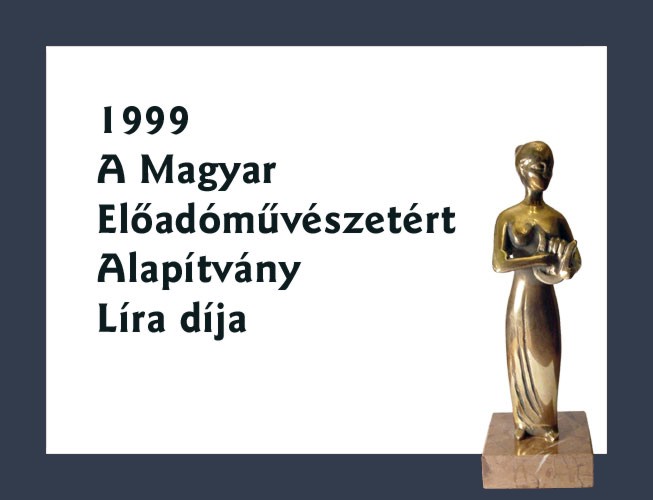
- 1999 Líra díj, A Magyar Előadó-művészetért Alapítvány díja
- 2002 eMeRTon-díj, az év énekese Bényei Tamás
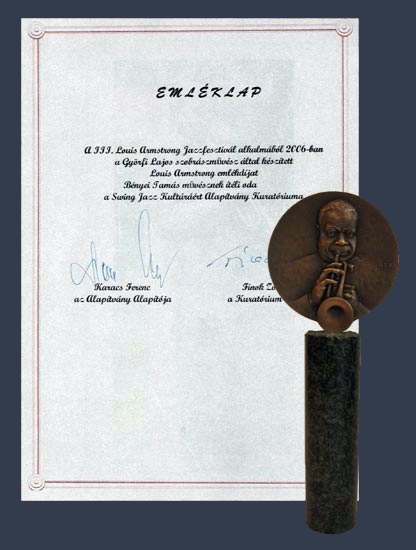
- 2006 Louis Armstrong emlékdíj a Swing Jazz Kultúráért Alapítvány díja
- 2015 Ezüst Életfa díj, a Magyar Önkormányzatok Szövetségének díja
- 2015 Kossuth-díj
- 2022 Fonogram-díj, a Magyar Hangfelvétel-kiadók Szövetségének díja
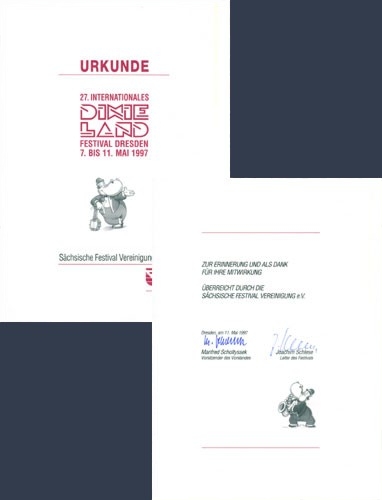
A Hot Jazz Band rangos hazai fesztiválok, események gyakori résztvevője. Külföldi fesztiválokon, eseményeken a következő helyeken szerepelt: Lyon (F), Ried (A), Regensburg (D), Pozsony (SLK), Marciac (F), Montlouis (F), Bussum (NL), Kolozsvár (RO), Drezda (D), Varazze (I), Policka (PL), Osterode (D), Gronau (D), Helsinki (SF), Straden (A), Varasdin (CRO), Tallin (EST), Zürich (CH), Szczavnicza (PL), Nagykároly (RO), Bécs (A), Anif (A), Samois (F), Castellsarrasan (F), Breda (NL), Sacramento (USA), Lake Tahoe (USA), Silkeborg (DK), Korzika (F), Marckolsheim (F), Brüsszel (B), Monte Carlo (MCO), Isztambul (TR), London (GB) Shanghai, Ningbo (CH), Stockholm (S), Ljubljana (SLO), Zágráb (CRO).
Hazai rendezvények és fesztivál fellépéseik közül kiemelkedő a Sziget Fesztivál, Művészetek Völgye, Savaria Karnevál, VOLT Fesztivál, Budavári Borünnep, Óbudai Bornapok, Budafoki Borfesztivál, Egri Bikavér Ünnep, Győri Terményáldás, Óbudai Advent, Debreceni Civis Korzó Fesztivál, Hajdúszoboszlói Dixeland Napok, Miskolci Kocsonya Fesztivál, Story Díjátadó Gála, UNICEF Gála (díszvendég Roger Moore), Operabál, MTA Bál, MMA Bál, MVM Gála, Audi Gála, Európai Uniós Elnökségi Rendezvény, Hylton Újévi Bál, Corithia Újévi Bál, Gellért Újévi Bál, Kempinsky Jubileumi Bál, Külügyminiszteri Konferencia Fogadás Gundel, Prima Junior Díjátadó Gála, Tolnay Gála RAM, 100 éves a Magyar Film, a Nemzeti Filmalap Gálaműsora, V4 Soros Elnökség Nyitónapi Gála.
Neves külföldi vendégek közt található Cynthia Sayer, Mike Vax, Tom Kirkpatrick, Peter Ecklund, Joe Muranyi (Louis Armstrong's All Stars), Leroy Jones, Wynton Marsalis, George Probert, Bill Allred, Tom Saunders, Allan Vaché, Johnny Varro, Howard Alden, Jake Hanna, Randy Reinhardt, John Sharidan, Lee Floyd (USA), Acker Bilk (UK), Marcel Zanini, Irakli, Alain Bouchet, Daniel Huck, Marc Laferriére, Marc Fosset (Stéphane Grappelli Trio), Daniel Barda (F), Tom Stuip (NL), Theis Jensen (DK), Oscar Klein (CH), Stjepko Gut (YU) Antti Sarpila (SF), Eiji Hanaoka, Ken Aoki (JPN), Denise Gordon (GB), Nicolle Rochelle (USA/F)
A Hot Jazz Band a következő neves hazai előadókkal szerepelt: Szekeres Adrien, Orosz Zoltán, Benkó Sándor, Bodrogi Gyula, Deseő Csaba, Kautzky Armand, Bencze Ilona, Illényi Katica, Presser Gábor, Horváth Charlie, Ónodi Eszter, Légrády Péter, Szulák Andrea, Rókusfalvy Pál, Behumi Dóri, Cotton Club Singers, Szűcs Gabi, Kamarás Iván, Lovász Irén, Rost Andrea, Sümeghy Eszter, Micheller Myrtill, Tompos Kátya, Malek Andrea, Tóth Vera, Bíró Eszter, Kozma Orsi, Sárközy Lajos
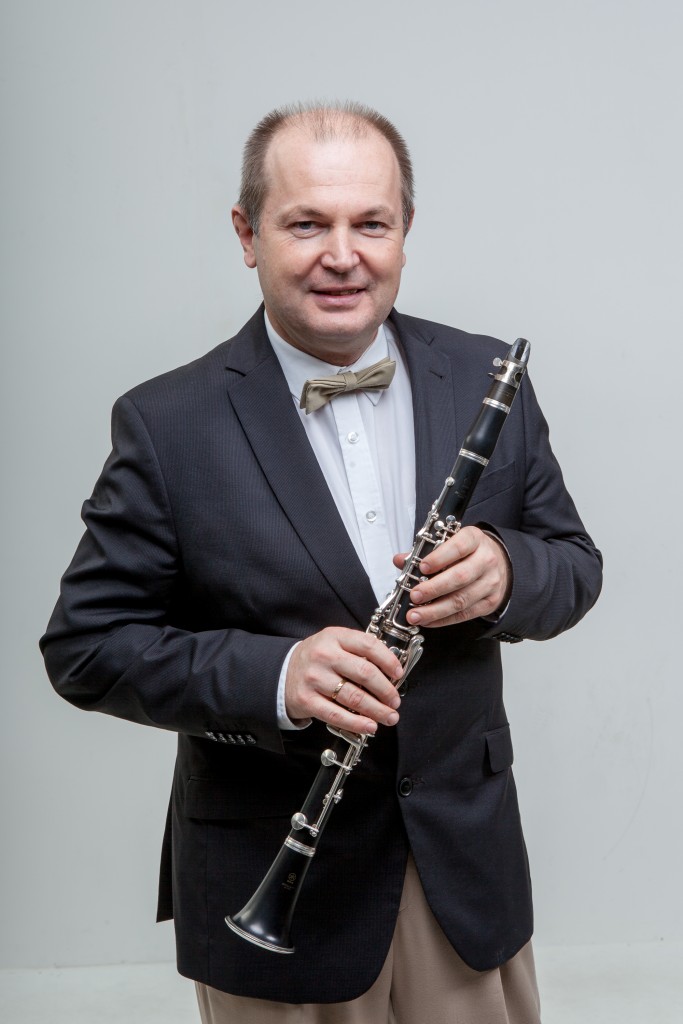
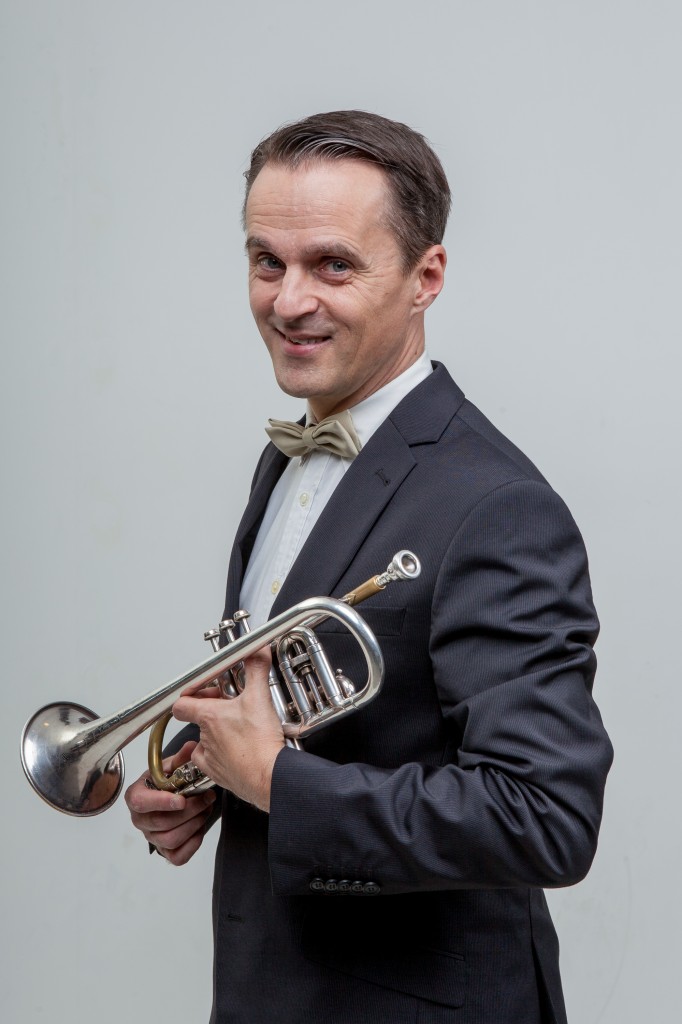
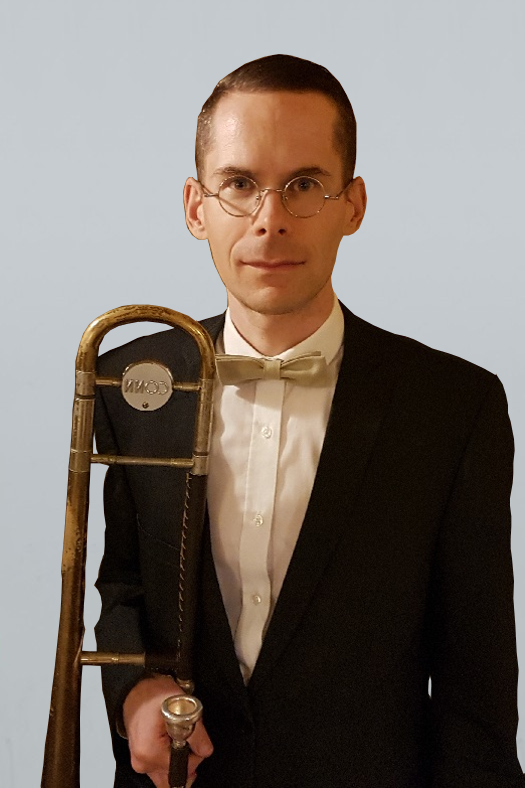
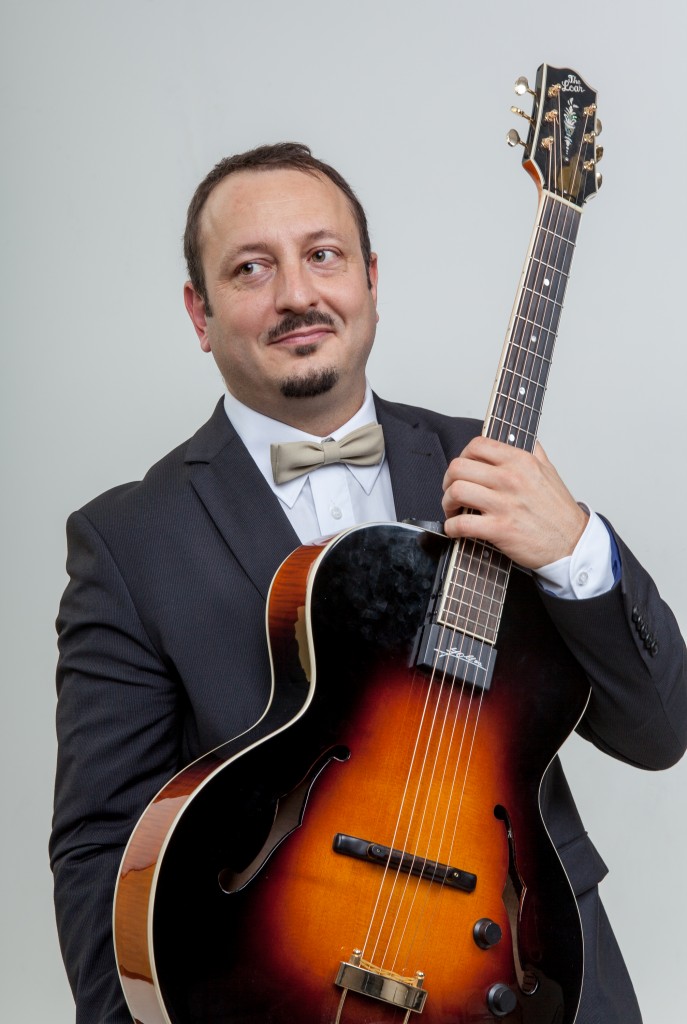
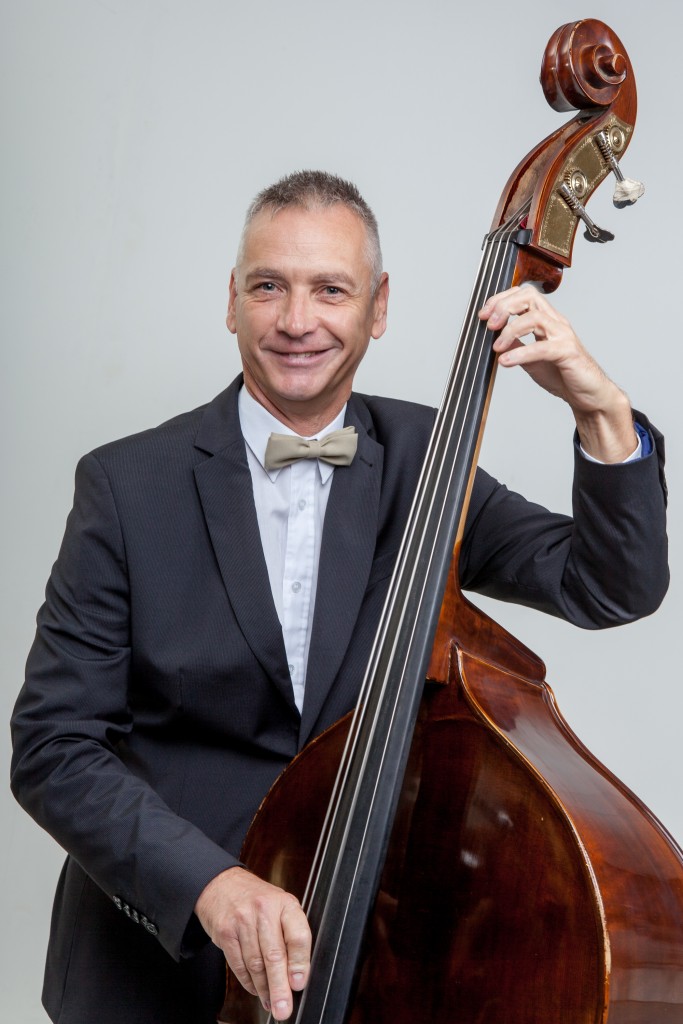
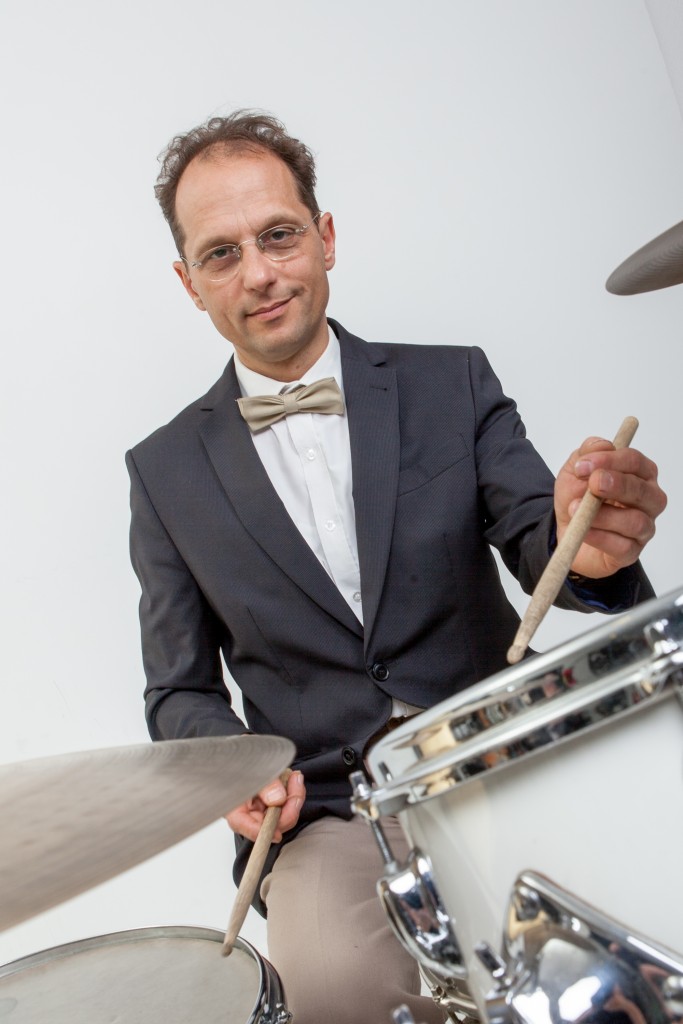
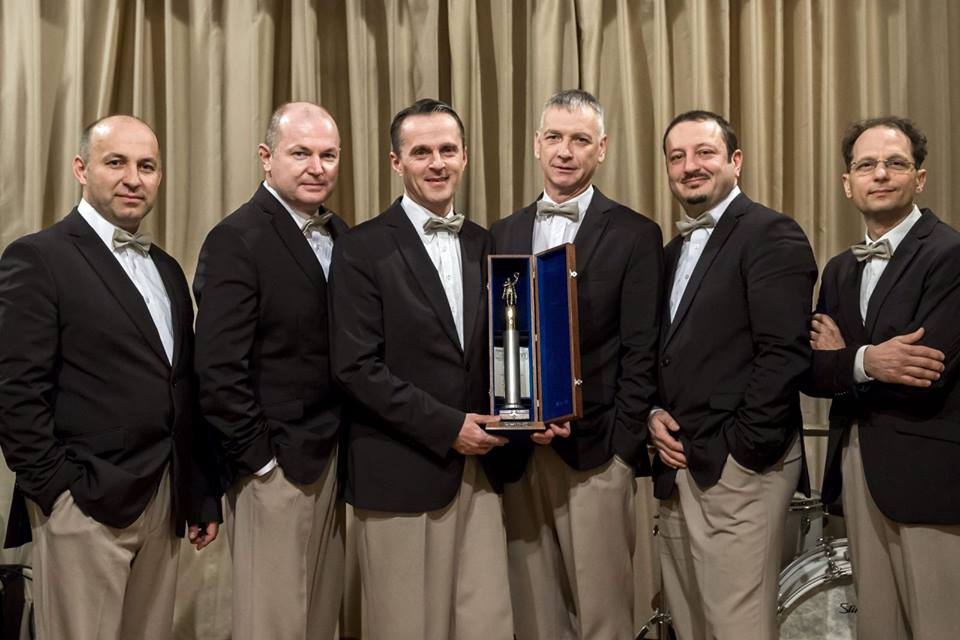
A zenekar tagjai